
New Patient Chiropractic Consult

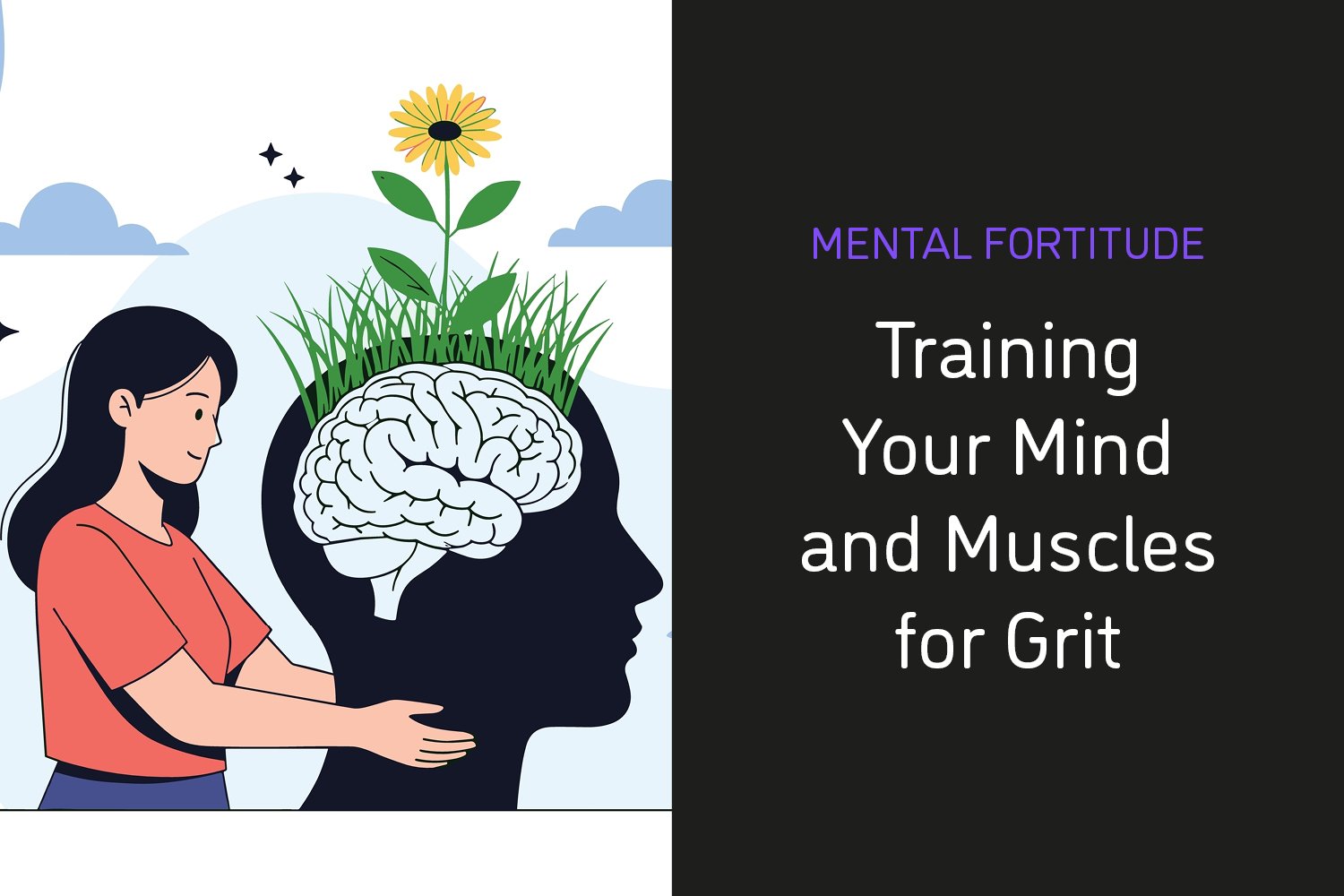
Grit is often described as determination, persistence, or sheer willpower.
We admire those who show it, the people who keep going when others give up. But grit is not just about stubbornness. It is a skill that blends passion, focus, and resilience, and it can be developed by anyone who wants to reach their goals.
Many people assume grit is something you are born with, but it is more like a muscle. You can train it through consistent effort, reflection, and recovery.
Understanding how grit works helps you build both mental and physical strength in a balanced way.
Endurance is not just a test of physical capacity. Much of it happens in the mind. When you feel that you have reached your limit, it is often your brain, not your body, telling you to stop.
Your mind acts as a safeguard, encouraging you to rest before you have truly run out of energy. It tries to protect you from harm, but it can also limit your potential.
The first step towards building grit is recognising this pattern. Once you understand that fatigue is sometimes a mental barrier, you can learn to push a little further in a safe and sustainable way.
Athletes often talk about finding comfort in discomfort. This is not about ignoring pain, but about recognising it as part of growth. When you understand your limits and expand them gradually, your confidence grows alongside your endurance.
What you believe about yourself has a powerful impact on what you can achieve. If you think you cannot do something, you are less likely to give it your full effort. That thought alone can become a self-fulfilling outcome.
When you choose to believe in your ability to improve, you unlock more of your potential. This is not wishful thinking, but a mindset built on trust in your own progress. Even small wins strengthen your belief and create momentum.
Try to notice how your internal dialogue affects your effort.
Shifting from “I can’t” to “I’ll try” changes how you approach a challenge. That small change helps your brain and body work together instead of against each other.
Many people think grit requires constant motivation. In truth, it relies more on structure and good habits. Motivation comes and goes, but habits keep you consistent.
Think about brushing your teeth. You do not rely on motivation to do it each morning. It is a built-in part of your day. You can treat healthy habits in the same way. Whether it is stretching, exercising, or scheduling regular chiropractic care, consistency matters more than intensity.
By creating a routine, you remove the daily debate about whether you should act. You simply follow your plan. This frees up mental space and makes your goals feel less overwhelming.
No one builds grit without facing setbacks. These moments are not failures but opportunities to learn. When things do not go as planned, it is natural to feel frustrated. The key is to use that feeling as feedback rather than a reason to quit.
Ask yourself what the experience can teach you. Perhaps you pushed too hard or neglected recovery. Understanding what went wrong allows you to adjust your approach and move forward with greater awareness.
Fatigue and disappointment can be useful signals. They remind you that progress requires balance. When you listen to your body and respect its needs, you make sustainable growth possible.
Some stress is good for you. The right amount of pressure challenges your system to adapt and grow stronger. The problem arises when stress never lets up. Without rest, even the strongest body or mind begins to break down.
Building grit means learning how to balance pressure with recovery. The two go hand in hand. You must push yourself enough to create change, then give yourself space to rebuild. This cycle of challenge and recovery is what strengthens both body and mind over time.
Grit is not about perfection or endless effort. It is about showing up, staying steady, and learning from experience. When your mindset and body are aligned, you can achieve more with less struggle.
If you are ready to build the kind of grit that lasts, start with small, consistent steps. Each action, no matter how simple, is a form of training. Over time, those steps add up to something powerful. They create the strength to keep going when it matters most.
