
NEW PATIENT CHIROPRACTIC CONSULT

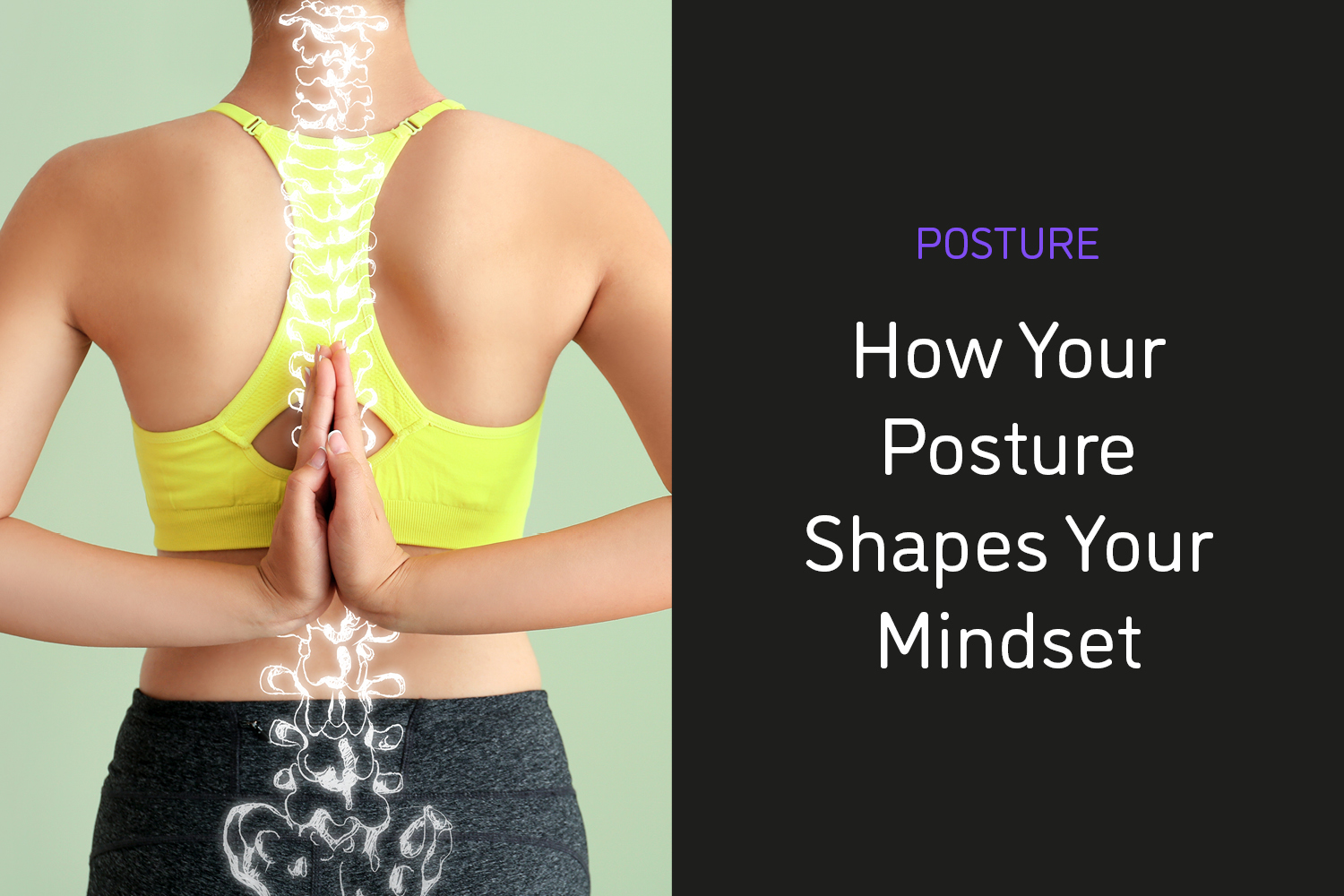
We often hear the phrase “stand tall” when life gets tough. It is advice that feels symbolic, but it has a very real physical truth behind it.
The way you hold your body affects not only how others see you but how you feel about yourself.
Posture is more than just sitting or standing straight. It is a living reflection of how your body and mind work together. Improving it can lift your mood, sharpen your focus, and even change how you respond to stress.
Understanding this connection can transform the way you carry yourself, both physically and emotionally.
Your brain is constantly listening to signals from your body. This two-way communication is what helps you feel grounded, alert, and balanced. When your posture is upright and open, it sends signals of confidence and safety to your brain.
By contrast, a slouched or collapsed posture can send the opposite message. It can make you feel low in energy, anxious, or withdrawn. Over time, this feedback loop reinforces itself, shaping both how you feel and how you behave.
Learning to use your body to support your emotions is a simple but powerful form of self-care.
Think about how you feel after a long day at your desk. You might notice your shoulders creeping forward and your neck stiffening.
Poor posture restricts your breathing, reduces circulation, and limits oxygen flow to the brain.
When your body is compressed in this way, your energy naturally dips. Your mind feels slower, and even simple tasks start to feel more difficult.
The link is clear: poor alignment leads to poor performance, both physically and mentally.
Standing or sitting tall allows for full, deep breaths. It helps oxygen flow freely, which sharpens your focus and sustains your energy throughout the day.
Posture is one of the first things people notice about you, but it is also something you notice about yourself. When you lift your chest, draw your shoulders back, and keep your head balanced, you not only appear more confident. You also start to feel it.
Research shows that posture affects hormone levels and mood.
An upright position encourages feelings of optimism and control. It helps your brain shift away from a defensive state and towards one that is open and engaged.
This is why adopting a confident stance, even for a few minutes, can change how you experience stress or uncertainty. Your body can lead your mind to calm.
Your spine is the foundation of your posture. It protects your nervous system, which coordinates everything your body does, from movement to stress responses. When your spine is well aligned, your body communicates clearly with your brain.
Misalignments, even small ones, can create tension and interfere with this communication. They can contribute to fatigue, tight muscles, or that vague feeling of being “off”.
Chiropractic care helps to restore this connection. Improving spinal movement and alignment, it supports a clearer flow of information between your brain and body. This allows both to function more effectively and in sync.
Changing your posture begins with awareness. You cannot correct what you do not notice. Taking a few moments each day to check in with your body helps to retrain your habits.
Try gentle movements that reconnect you with your posture. Roll your shoulders, lift your chest, and take a deep breath. Even a small adjustment can reset how your body feels and help your mind refocus.
Regular movement breaks are also essential. They prevent your body from stiffening and remind your brain that you are active and adaptable.
Good posture is not about perfection or discipline. It is about giving your body the structure it needs to support your mental and emotional health. When your spine is balanced and your movements are easy, your brain feels calmer and more capable.
Standing tall creates a sense of inner stability. It allows you to meet challenges with clarity rather than tension.
When your body and mind work together, resilience becomes second nature.
