
New Patient Chiropractic Consult

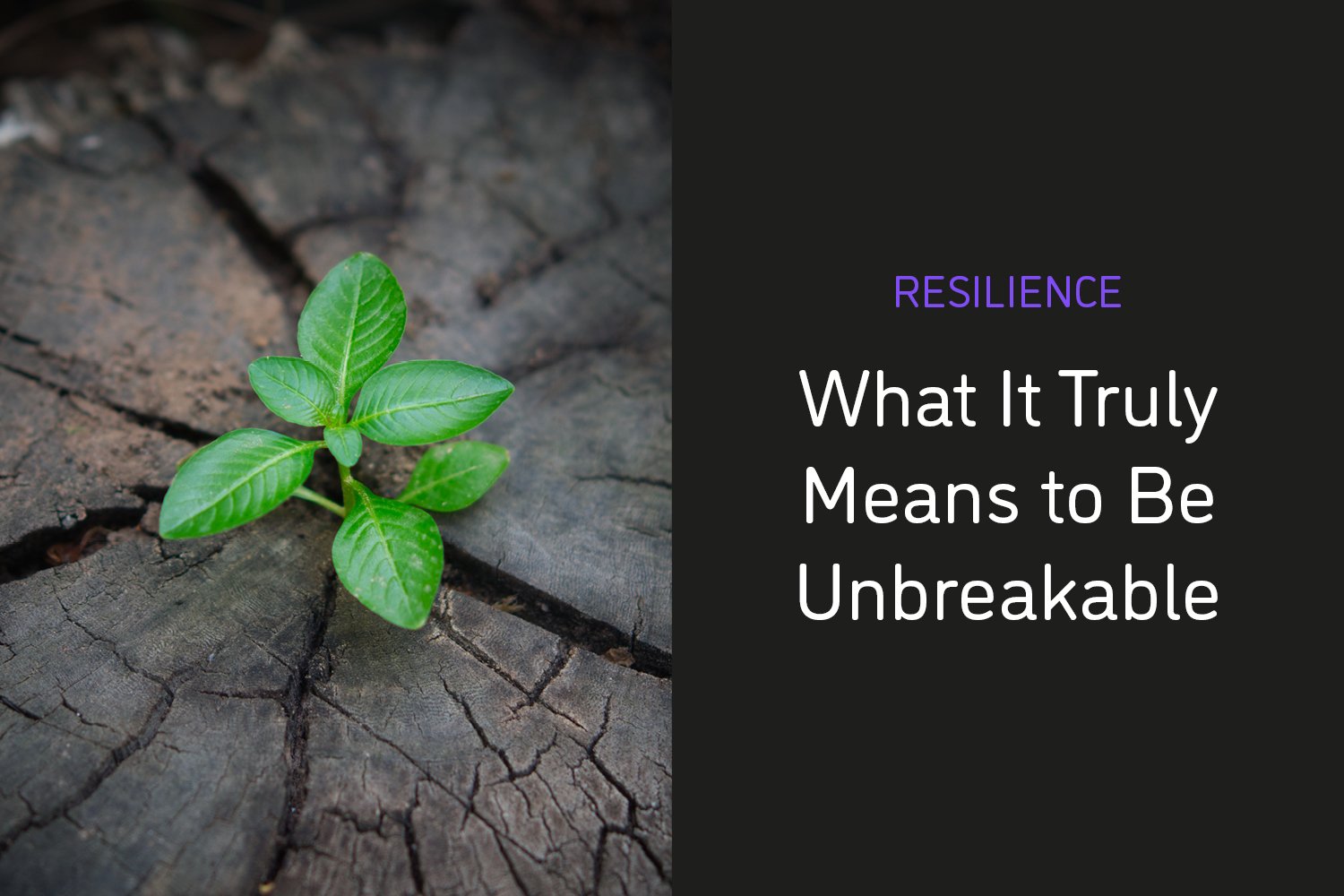
We all face challenges… From stressful work weeks to family pressures and personal goals. Often we are told to “be tough” and just push through. There is, however, a smarter way to handle life’s demands.
True resilience is not about being made of steel. It is the ability to bend, recover, and come back stronger than before. It is a skill that anyone can develop when the mind and body work together in balance.
Many people think resilience means enduring hardship in silence. In reality, it is about flexibility and adaptation.
Imagine a young tree in a storm. It bends with the wind but does not break. Our bodies and minds work in a similar way. Strength comes from movement, not rigidity.
Resilience means recovering quickly and adjusting intelligently. It is about recognising stress, supporting your body, and finding the balance between effort and recovery.
We often feel stress in our bodies long before we notice it in our thoughts. Tight shoulders, headaches, or shallow breathing are all signs that the mind and body are speaking to each other.
When you stay in a constant state of pressure, your muscles tighten and your body tires. This physical strain can leave you feeling drained or in pain. Learning to notice and respond to these signals is a crucial part of building resilience.
Elite endurance athletes offer a valuable lesson: strength alone is not enough. Success comes from pacing, patience, and strategy.
They focus on one step at a time rather than the full distance ahead. You can use this same approach in daily life. Instead of aiming for instant change, focus on small, steady improvements that build over time.
Many people think resting is a sign of weakness, but recovery is where true growth happens. Your body and mind both need time to repair, adapt, and reset.
Simple things, like quality sleep, balanced nutrition, and regular movement, give your body the chance to recharge. Supporting your nervous system through good posture and regular check-ups also helps it perform at its best.
You do not need a dramatic lifestyle change to become resilient. Start small and stay consistent.
Take short breaks during your day, keep hydrated, and move often. These simple habits support your body and mind, reducing strain and improving your capacity to handle stress. Over time, they build the foundation for strength and adaptability.
Resilience is a lifelong practice, not a fixed trait. It grows through awareness, small actions, and steady recovery.
By learning to adapt instead of resist, you build the kind of strength that lasts. If stress has started to take a toll on your body, our team at Synergy Clinic can help you restore balance and begin your journey towards a stronger, more adaptable you.
