
New Patient Chiropractic Consult

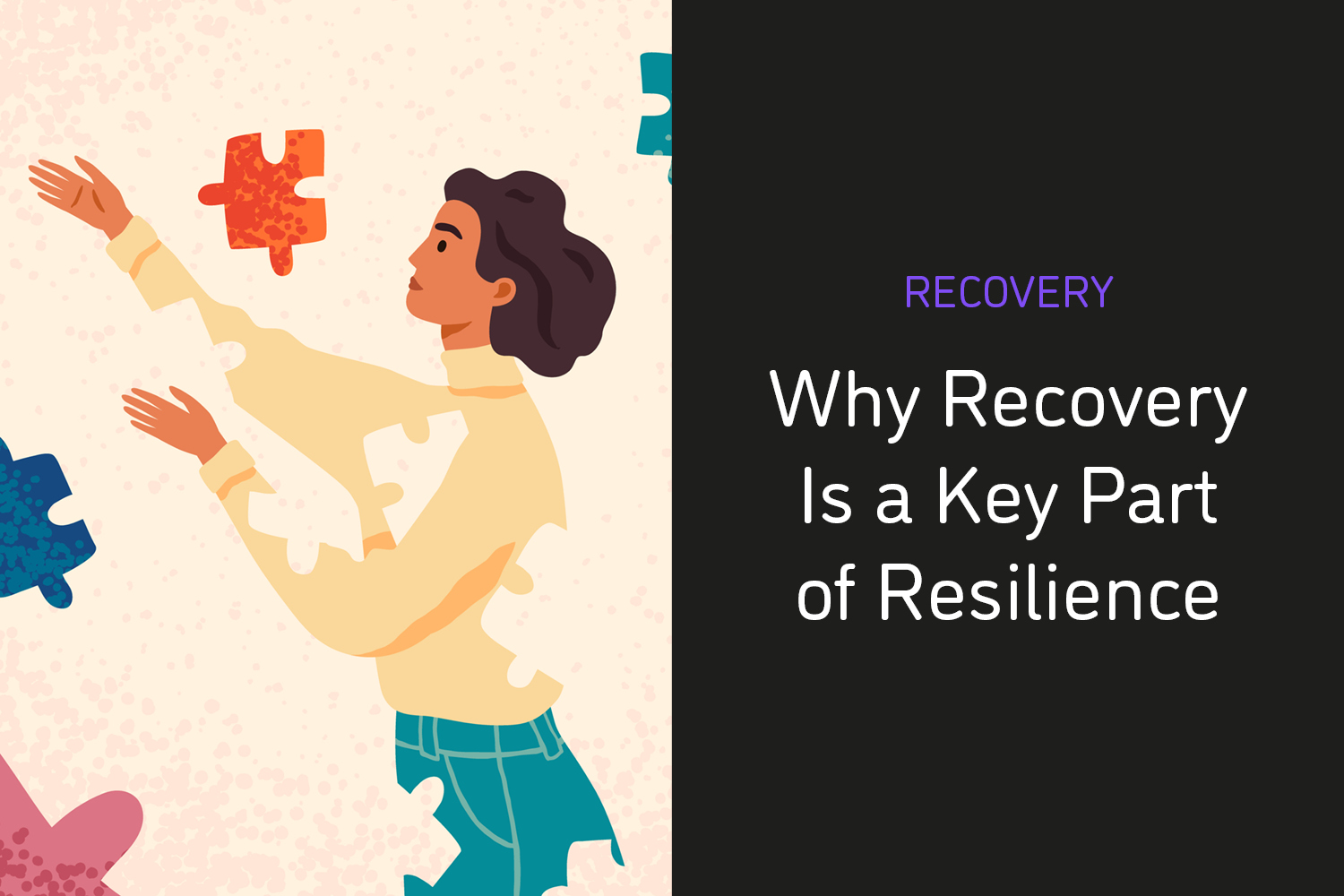
Modern life rewards effort. We are praised for working harder, training longer, and pushing through fatigue. But true resilience is not about constant action. It is about balance. Recovery is not a luxury or a sign of weakness. It is the foundation that allows growth to happen.
When you rest, your body and mind rebuild. Without that time to repair, progress stops. Learning to recover properly is one of the smartest investments you can make in your long-term health.
Every kind of progress follows the same pattern: stress, adaptation, recovery. You place a demand on your system, and your body adjusts to meet it. The real improvement happens during the rest phase, not during the work itself.
If you skip recovery, you interrupt this process. You are asking your body to keep giving without replenishing its reserves. Over time, that leads to burnout, pain, or injury. The same is true for your mental health. Constant pressure without pause makes it harder to think clearly or stay motivated.
Taking time to rest is not wasted effort. It is what allows your hard work to count.
When you rest, your body switches from a state of alertness to a state of healing. Your heart rate slows, your breathing deepens, and your body begins to repair tissues. The stress hormones that drive energy during busy periods start to drop, allowing your system to calm and reset.
This is when your energy stores refill and your cells regenerate. It is also when your nervous system restores balance between activity and calm. Without this shift, your body never truly completes the recovery cycle.
Think of recovery as part of your training. It is the time when your body processes the work you have done and builds a stronger version of itself.
Many people confuse rest with doing nothing. True recovery can be active and intentional. Gentle activities like stretching, walking, or deep breathing all help your body return to balance.
These actions improve circulation, clear out waste products, and help your muscles and joints stay mobile. Active recovery keeps your system working efficiently while giving it space to heal.
This approach also benefits your mind. Slowing down enough to pay attention to how your body feels can bring clarity and calm. It is a reminder that progress does not always mean pushing harder. Sometimes it means listening more carefully.
Your nervous system controls every function in your body, including how well you recover. When it is under strain, your ability to rest and heal can be affected. Misalignments in your spine may interfere with the clear communication between your brain and body, keeping your system in a state of stress.
Chiropractic care helps to restore this communication. By improving alignment and reducing tension, adjustments can support your body’s ability to shift into a restorative state. When your nervous system is functioning well, it is easier to find balance between effort and ease.
This kind of care is not just about addressing pain. It is about supporting the natural rhythms that keep you well.
We live in a world that celebrates hustle, but true strength comes from knowing when to slow down. Recovery allows you to return to your challenges with more energy, focus, and resilience.
Make rest a regular part of your schedule rather than something you squeeze in when you are exhausted. Prioritise sleep, eat nourishing food, and take short breaks throughout the day. Protect your recovery time as you would any important appointment.
You will soon find that you achieve more by doing slightly less. Quality effort supported by quality rest produces lasting results.
When you begin to see recovery as part of your training, everything changes. You stop feeling guilty for taking time to recharge and start viewing it as a vital act of strength.
Resilience is not about how much strain you can endure. It is about how well you can bounce back. When you learn to rest smarter, you give your body and mind the tools they need to adapt, rebuild, and thrive.
