
NEW PATIENT CHIROPRACTIC CONSULT

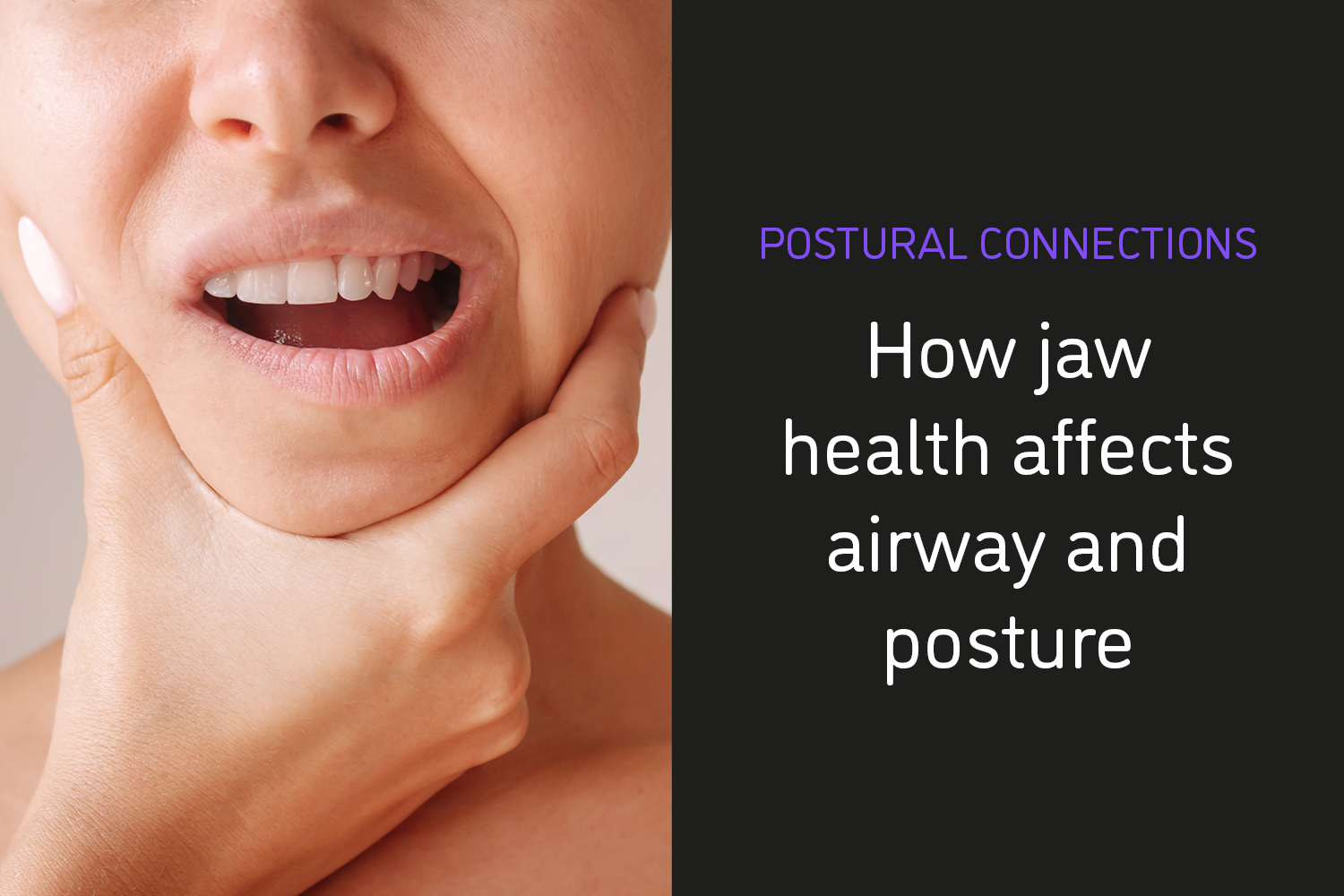
The way you hold your head has a direct influence on the rest of your body. The head sits at the top of the spinal column, and even small changes in its position can create a ripple effect that travels down through the neck, upper back, and beyond.
Posture is rarely random. It’s often the result of subtle structural and functional influences working together over time. One of the most overlooked influences is jaw development, and the way it affects airway space and head position.
In chiropractic care, we pay close attention to this head and neck relationship because it plays a central role in how the spine distributes load and maintains balance.
The development of the human jaw and facial bones, known as craniofacial development, influences how the head balances on the neck.
Compared to our ancestors, many modern humans have jaws that are slightly smaller and positioned further back. This difference may seem minor, but it can change the way the skull rests on the cervical spine.
When the lower jaw sits further back, the head often shifts forward to maintain balance and keep the eyes level. This pattern, commonly called forward head carriage, is usually unconscious. The body makes the adjustment automatically in order to maintain orientation in space.
Over time, what begins as a small adaptation can become a habitual posture.
Jaw position also influences the space available at the back of the throat. When the jaw sits further back, the airway behind it can be narrower.
The body’s instinctive response is simple. It moves the head slightly forward and tilts it back just enough to create more room for airflow. This positioning can help open the airway, but it comes with a mechanical trade-off.
A forward head position increases the load on the muscles and joints of the neck. The upper back may round slightly to counterbalance the shift. The lower spine then adapts in turn. What started as a local structural issue becomes a whole-chain postural pattern.
These adaptations aren’t flaws. They’re solutions. But every solution carries a cost if it’s maintained long term.
Changes in jaw structure are often linked to modern environmental factors. Historically, diets consisted of tough, fibrous foods that required prolonged chewing. That consistent mechanical demand provided a growth stimulus for wider, stronger jaws.
Today, most diets are significantly softer. Processed foods require far less chewing effort. As a result, developing jaws may not receive the same level of stimulus during childhood growth.
When jaw development is limited, the downstream effects on head position and airway space can become more pronounced. These influences are subtle and gradual, but they shape posture over years rather than days.
Chiropractors do not treat jaw development or airway conditions directly. Our focus remains on the spine and the adaptations it makes in response to structural influences.
Forward head carriage places sustained strain on the joints and soft tissues of the neck and upper back. Over time, restricted movement and muscle tension can develop in these compensating areas.
Chiropractic care aims to improve joint mobility and reduce mechanical strain within this chain. When spinal segments move more freely, the body can distribute load more evenly. This doesn’t change jaw structure, but it can support better mechanical balance within the system that has adapted around it.
Posture is more than a reminder to sit up straight. It reflects how your body has organised itself around structural realities and functional demands.
Jaw structure can influence airway space. Airway space can influence head position. Head position can influence spinal alignment. Each piece connects to the next.
Understanding these relationships allows for a more integrated perspective. Rather than viewing neck tension or upper back discomfort in isolation, we can recognise them as part of a broader pattern.
That systems-based view is central to a thoughtful chiropractic approach. It’s about appreciating the chain of influence and supporting the areas we can meaningfully affect, while respecting the complexity of the whole.
