
NEW PATIENT CHIROPRACTIC CONSULT

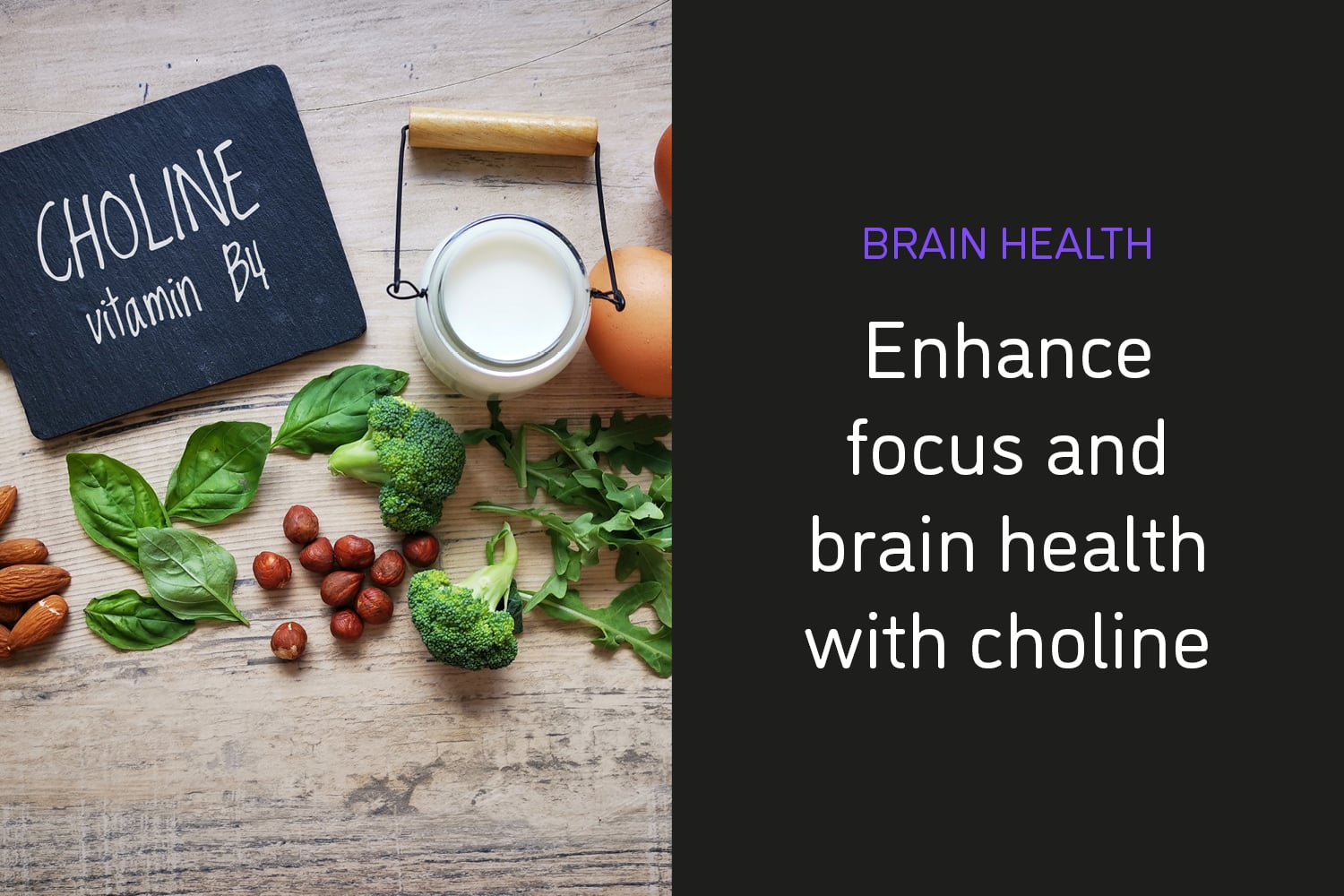
Choline is a nutrient your brain and nervous system rely on every day.
It helps you stay clear‑headed, coordinated, and able to adapt to the physical changes we make during chiropractic care.
However, most people remain unaware of just how much this single nutrient contributes to both mental focus and physical ease.
Choline helps cells maintain their structure and communicate effectively. This is especially important in the brain, where signals need to be clear and well organised.
It also supports the production of acetylcholine, a chemical involved in attention, memory, and smooth muscle control.
When choline levels are steady, the nervous system has the resources it needs to process information and coordinate movement. This creates a clearer internal map of how the body is positioned in space. It often translates into a greater sense of ease as you move through your day.
The body can make a small amount of choline on its own, but it isn’t enough to meet daily needs. Most of what you require, therefore, has to come from food or supplements.
Foods like eggs, liver, and other organ meats are the richest dietary sources of choline. Modern diets, however, tend to include far fewer of these foods, particularly organ meats, which many people find unfamiliar or unappealing.
Plant‑based diets are also naturally low in choline, so vegans and vegetarians who don’t eat eggs often struggle to meet their needs.
Busy periods, physical activity, and higher cognitive demands can all increase your requirements. When intake does not match these needs, your nervous system has to work harder with fewer resources. Understanding this gap helps you stay ahead of it.
Every chiropractic adjustment you undergo provides new information to your spine and nervous system. The brain then has to process that information clearly so it can update movement patterns and reduce unnecessary tension.
Choline is a key player in this process. When your system is well supported with adequate levels of choline, it often integrates these changes with more ease.
Choline also contributes to the health of the myelin sheath, which insulates your nerve pathways. This helps signals travel smoothly between your brain and body. A stable communication system creates a stronger foundation for the work we do together.
Eggs are one of the easiest and most palatable ways to increase your choline intake. Most of the choline though, is in the yolk.
Quality organ meats and small amounts of cruciferous vegetables also contribute to daily totals. These foods offer a practical way to support your nervous system through your diet.
Some people prefer the consistency of a supplement, especially when life gets busy or dietary choices vary. These products provide a steady supply of the nutrient.
Supporting your brain health is one of the simplest ways to support your whole body.
When your nervous system has the resources it needs, it can coordinate movement, adapt to change, and help you feel more grounded. If you would like to explore how choline fits into your routine, we are always happy to talk it through.
