
NEW PATIENT CHIROPRACTIC CONSULT

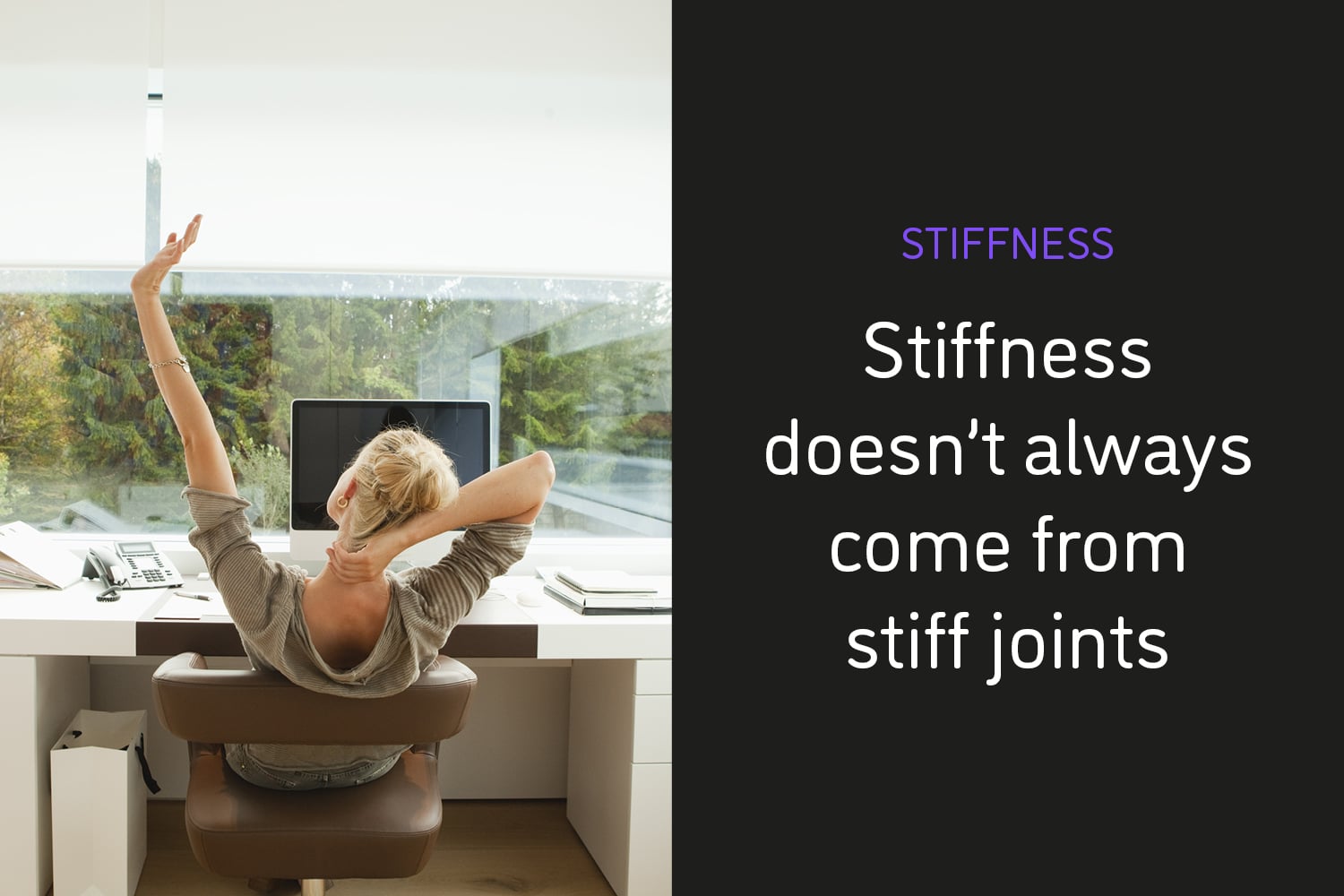
You have an area that always feels tight. You stretch it, it eases for an hour or two, and then the tightness settles back in exactly as it was.
That pattern is worth paying attention to. Differences in how loose or firm your tissues are make a real difference to your comfort, and they are part of what shapes personalised chiropractic care.
Tightness is a sensation rather than a measurement.
Feeling tight doesn’t always mean a joint is restricted. Sometimes the sensation comes from muscles working hard to hold an area steady, and that effort feels remarkably like stiffness from the inside.
You know the feeling from walking on an icy pavement. Your legs tense, your steps shorten, and everything feels rigid. Your muscles aren’t stiff. They’re bracing, because the surface underneath them isn’t reliable.
Some areas of the body brace for the same reason.
Which brings us to joints at the other end of the scale.
Some people’s ligaments are simply looser than average, and their joints travel through a broader range as a result. This is a normal variation rather than a fault, and plenty of people who have it never give it a thought.
It does place particular demands on the muscles nearby, however.
When ligaments allow extra movement, the muscles take on more of the work of controlling it. They end up acting as brakes, and brakes that are applied often will tend to feel tight.
This is where stretching can quietly work against you.
If an area feels tight because muscles are holding a loose joint steady, then stretching it asks those muscles to let go of a job they’re doing for a reason. Relief tends to be brief, and the tension usually returns before long.
Adding more range to a region that already has plenty rarely settles it. More often it leaves the surrounding muscles with more to manage rather than less.
This is why placement matters more than coverage.
Part of a chiropractor’s job is working out which areas would benefit from support and which are better left undisturbed. An area with natural laxity may need stability more than it needs additional movement.
Care applied selectively, in the places that call for it, may help to support more balanced mechanics and greater comfort. Bodies differ, and so do their responses to the same approach.
Doing less in the right place isn’t holding back.
Precision means understanding what a particular area actually needs. Sometimes that’s more movement. Sometimes it’s more support. Recognising which is which changes how you approach your own stretching and daily habits as well.
Bodies aren’t built to a single specification. Care that accounts for that tends to serve you better over the long run.
