
NEW PATIENT CHIROPRACTIC CONSULT

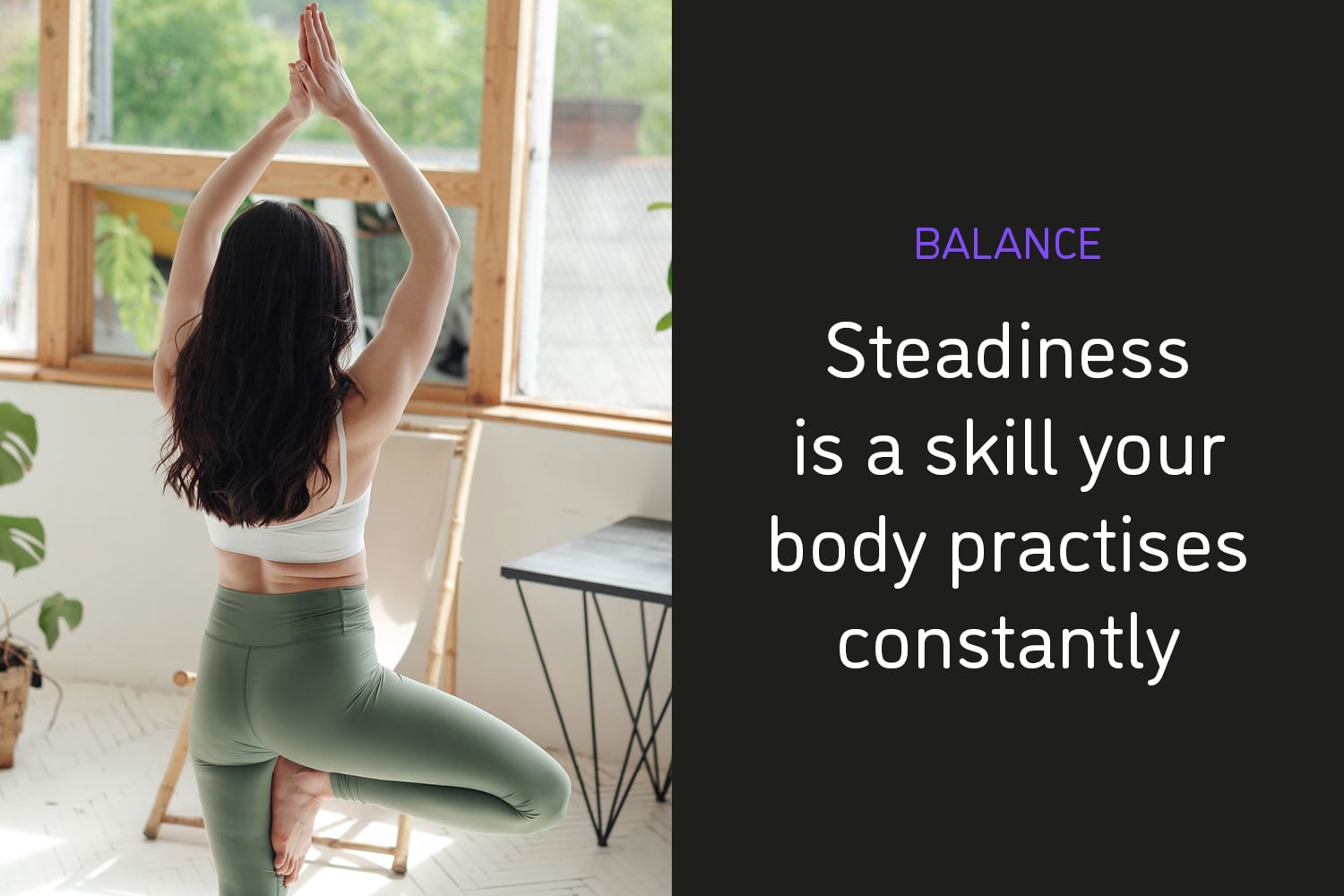
Balance doesn’t feel like a skill. It feels like something that is simply the case, at least until it’s not.
Your body is working at it constantly. Staying upright takes continuous coordination between your structure and your nervous system, which is why chiropractic care pays close attention to both.
Three sources of information keep you steady.
Your eyes tell you about your surroundings and where the horizon sits. Your inner ears register movement and the pull of gravity. The joints and muscles of your neck and back report on how you’re currently arranged.
Stand on a moving bus, and all three go to work at once. You shift your weight, adjust your feet, and stay upright without deciding to do any of it. The bus lurches, and something in you responds before you have consciously registered the lurch.
None of the three is equally reliable all of the time.
Tiredness dulls things generally. Poor lighting removes much of what your eyes would otherwise contribute. Stiffness through the neck and upper back can make the mechanical picture less detailed than usual.
When one contributor becomes less dependable, the others take up the slack. You usually stay steady. You simply spend more effort on it than you otherwise would.
Vision tends to be the one your body borrows from most.
It’s the easiest input to lean on, and the effect is easy to notice. Stand on one leg, then close your eyes, and the task becomes considerably harder within a second or two.
When mechanical feedback from the neck and back is less clear, your system often leans on sight to fill the gap. That can show up as tired eyes by the end of the day, tension through the neck and shoulders, or a general sense of effort in busy places where there is a great deal to look at.
The neck deserves particular attention here.
It sits between your inner ears and the rest of you, and it holds your head steady while everything below is moving. When motion through the upper neck becomes restricted, that arrangement asks for more work.
Chiropractic care may help make movement through this area more comfortable, which may in turn make it easier for your body to draw its balance information together. Some people notice a difference fairly quickly. For others it’s slower, or subtler than they expected.
Balance isn’t fixed for life. It answers to use.
Ask little of it and it quietly narrows. Ask more of it and it tends to respond. Standing on one leg while you brush your teeth is an unglamorous example, though it’s a real one.
What you ask of your balance from one day to the next is largely what keeps it available to you.
