
NEW PATIENT CHIROPRACTIC CONSULT

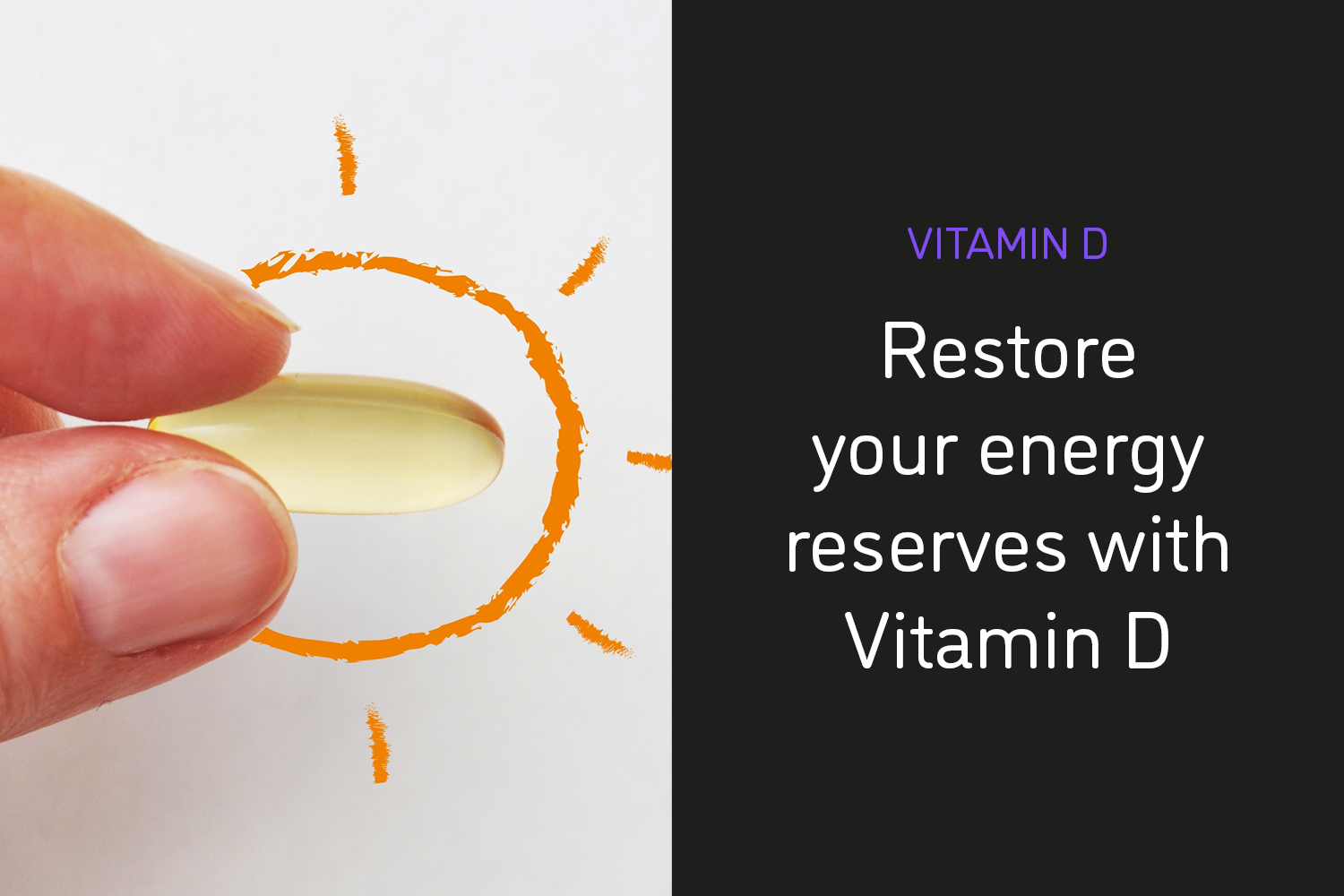
The days are slowly getting brighter as we move towards summer here in the UK, but the sun is still too low in the sky to help your body make much vitamin D.
After months of weak autumn and winter light, many of us enter spring with our lowest vitamin D reserves of the year.
Yet this nutrient plays an important role in how we move, recover and respond to chiropractic care. It supports muscle function, nervous system signalling, and the way our body maintains its internal balance.
Understanding why our levels drop over winter, and why early spring sunlight is not yet strong enough to rebuild them, makes it clear why this is the ideal time to start replenishing reserves.
Our skin is designed to produce vitamin D when exposed to UVB light. The catch, though, is that these rays are only strong enough in the UK between April and September, and only when the sun is high in the sky.
During this window, a short period of unprotected skin exposure allows the body to convert a natural cholesterol compound into vitamin D3. The liver and kidneys then process it into its active form, which supports a wide range of cellular functions.
At other times, particularly through autumn and winter, the sun sits too low in the sky for UVB to reach the ground. Even on bright days during this window, the angle of the light is not strong enough to trigger production.
This is why most people enter spring with lower vitamin D reserves than they realise.
A quick way to judge the strength of the sun is to check your shadow. If it’s shorter than you, your body can make vitamin D. If it’s longer, the UVB rays are too weak.
Here in the UK, shadows remain long until late spring, which means natural production does not meaningfully restart until the sun climbs higher.
Cloud cover, clothing, and sunscreen all reduce UVB exposure, too. And people with darker skin also need more time in the sun to produce the same amount, as melanin naturally filters UVB.
These factors all explain why sunlight alone is rarely enough to rebuild vitamin D reserves at this time of year.
Vitamin D plays a role in how your nervous system communicates with your muscles. Clear signalling supports balance, coordination and the way your body processes movement. When these pathways are well supported, your body often adapts to chiropractic adjustments with more ease.
This nutrient also contributes to the maintenance of bone and disc health. Strong, well‑nourished structures provide a stable foundation for your spine, helping you move more comfortably and maintain better posture throughout the day.
By early spring, natural vitamin D production has been switched off for months, so supplements are a simple way to keep levels steady until the sun strengthens. This is especially helpful if you spend most of your day indoors or are not outside during the short UVB window once it returns.
Sublingual supplements are often preferred because they absorb directly through the tissues under the tongue. This avoids the variability of digestive absorption and offers a straightforward, convenient way to support your levels through the transition from winter into spring.
Supporting your body through early spring isn’t complicated. Taking a daily vitamin D supplement is an easy way to stay steady while your natural production slowly returns.
If you would like guidance on choosing the right option or want to understand how much support you might need, we can talk it through at your next visit. Our goal is to help you move into the brighter months with confidence and plenty of vitality.
