
NEW PATIENT CHIROPRACTIC CONSULT

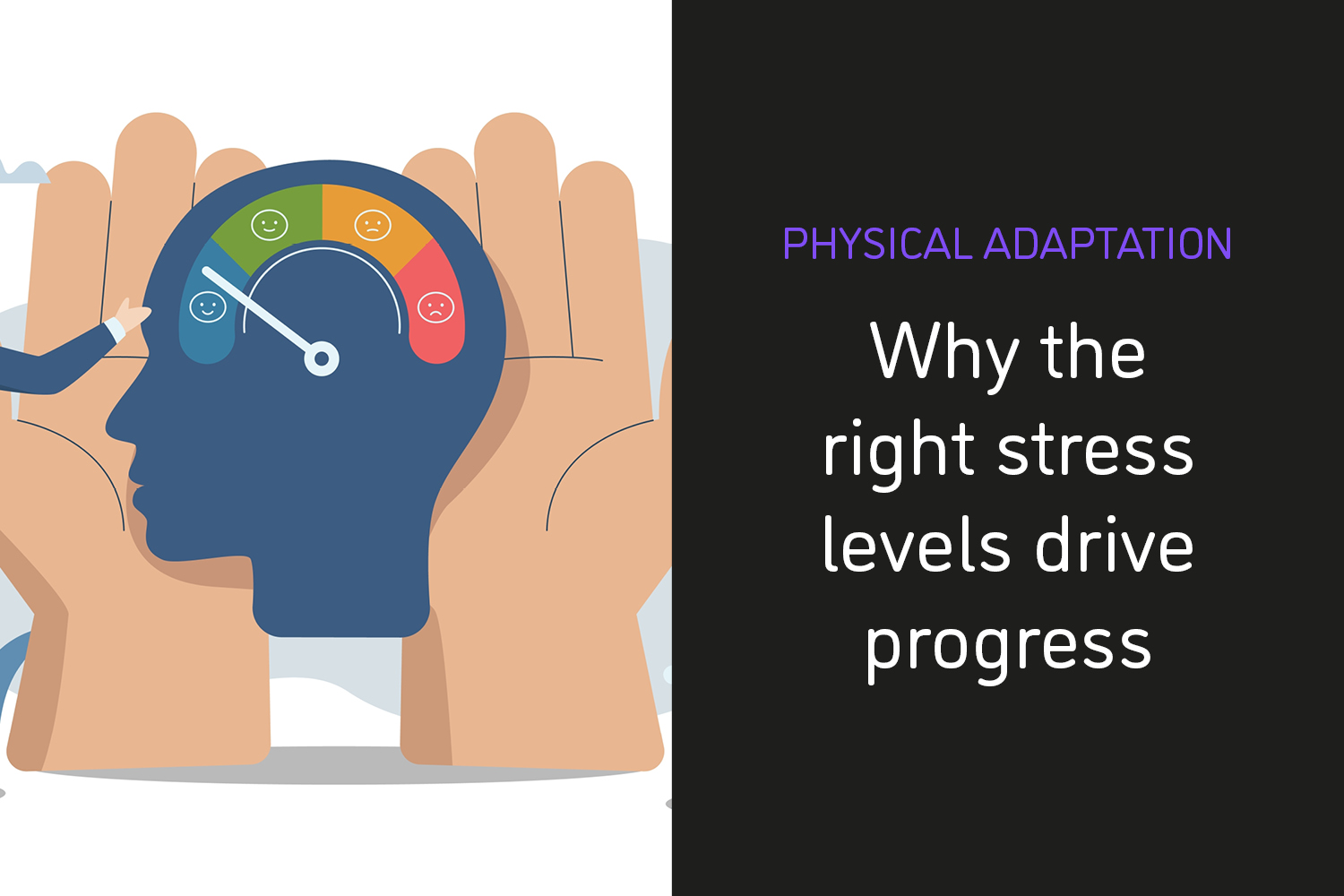
Our bodies are designed to respond to the world around us. They adapt to the demands we place on them, growing stronger and more capable when challenged in the right way.
This principle of adaptation sits at the heart of physical health. It’s something we work with carefully in chiropractic care, because meaningful progress depends less on doing more and more and more on applying the right stimulus at the right time.
In biology, there’s a concept known as hormesis. It suggests that a small, manageable dose of stress can stimulate a positive response. Exercise is the clearest example.
A sensible training session challenges muscle fibres and encourages repair, which makes them stronger. An extreme session, particularly without preparation, may tip the balance towards strain.
This is often described as a dose-response relationship. The outcome depends on the size and timing of the stimulus.
Your body is constantly assessing what it can tolerate. When the demand sits within a workable range, adaptation follows. When it falls outside that range, either too low or too high, progress slows.
The goal isn’t to remove stress entirely. It’s to apply it intelligently.
Progress tends to stall for two main reasons.
If there’s too little demand, the body has no reason to change. This is underloading. Without challenge, tissues maintain their current capacity. Strength, mobility, and coordination remain static because nothing requires them to improve.
On the other hand, too much stress can halt progress just as effectively. This is overloading. When demand exceeds your ability to recover, the body shifts into protection. Muscles tighten, inflammation may increase, and fatigue sets in. Instead of building capacity, the system focuses on coping.
Interestingly, both extremes can feel frustratingly similar. You may feel stuck, despite your efforts. The issue isn’t effort itself, but a mismatch. The stimulus doesn’t align with your current threshold.
Encouraging positive change in the musculoskeletal system requires careful calibration. In practical terms, this often means graded exposure or progressive loading.
You introduce a manageable challenge. Once your body tolerates it comfortably, you increase it gradually. Over time, muscles, ligaments, and joints adapt step by step. Capacity expands because the demand rises in a measured way.
This steady approach respects the body’s natural pace. It avoids dramatic spikes in stress and instead builds resilience consistently. It also allows feedback to guide the process. If something feels excessive, you adjust. If it feels too easy, you progress.
Adaptation thrives on consistency, not intensity.
A chiropractic adjustment can be viewed through this same lens. It’s a specific, controlled stimulus applied to a joint. The intention is not to force for its own sake, but precision.
The adjustment provides clear input to the nervous system, encouraging reorganisation without overwhelming tolerance. When applied appropriately, it sits within your adaptive range and supports constructive change.
In this sense, chiropractic care aligns with the broader principle of graded input. It contributes to the environment in which your body can respond, recalibrate, and build capacity.
Everyone’s adaptation threshold is different, and it can shift depending on sleep, stress, workload, and overall health. What feels manageable one week may feel excessive the next.
Learning to recognise how your body responds to challenge is an essential part of progress. It allows you to adjust intelligently rather than pushing through blindly or avoiding challenge altogether.
When stress is applied thoughtfully, adaptation becomes more predictable. You build resilience gradually, creating a system that’s not only stronger, but better able to handle future demands.
Progress, ultimately, isn’t about extremes. It’s about finding the range where stress becomes useful, and working within it consistently.
