
NEW PATIENT CHIROPRACTIC CONSULT

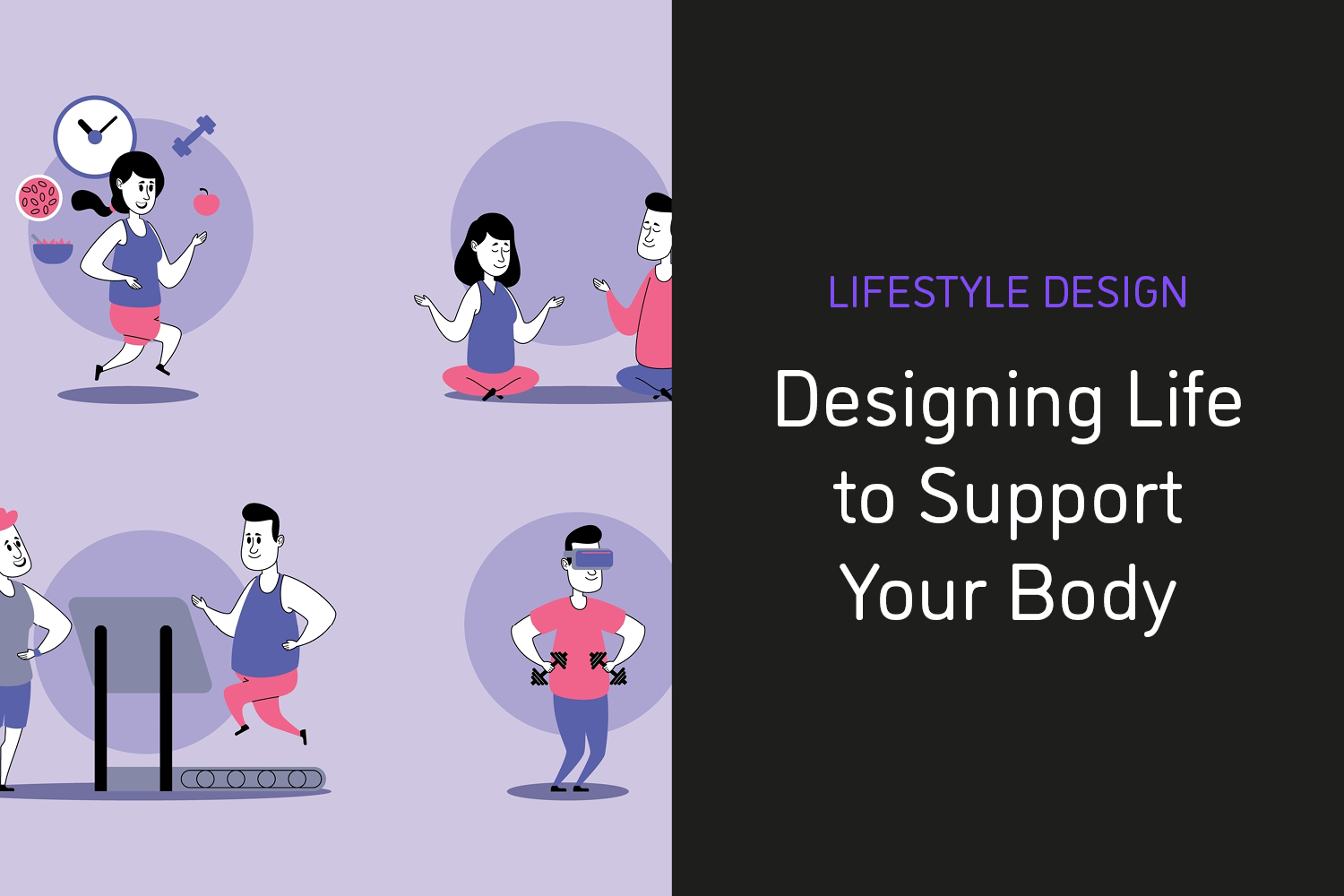
Some habits are hard to build because they’re easy to forget. You mean to stretch, but the day gets away from you. You plan to sit better, but your posture slips the moment you’re focused on something else.
It’s not that you’re unwilling but rather – your environment isn’t helping.
When it comes to spinal health, visibility matters. The more obvious a habit is, the more likely it is to happen.
And the more your surroundings support movement and awareness, the easier it becomes to care for your body without needing constant reminders.
Your brain responds to what it sees. A yoga mat left out in the living room is more likely to be used than one tucked away in a cupboard. A sticky note on your monitor that says “shoulders down” is more effective than a mental promise to sit better.
Visual cues act as gentle nudges. They’re reminders that don’t rely on motivation. They help bridge the gap between intention and action, especially when the goal is something subtle like improving posture or moving more often.
Your surroundings influence how you move, sit, and rest.
A low sofa, for example, might encourage slouching. A cluttered desk might make it harder to shift positions. Even lighting can affect how you hold your body. Watch how you sit or work in dim spaces. Chances are you’re unconsciously adopting a forward-leaning posture.
By adjusting your environment, you’re not just changing your space. You’re changing the signals your body receives throughout the day. And those signals shape your spinal health more than you might realise.
You don’t need a full ergonomic overhaul to support your spine. Small tweaks can make a big difference. Try these:
The goal isn’t perfection — it’s visibility. When tools for movement and alignment are easy to see, they’re easier to use.
Sometimes, the most powerful cue is how your body feels.
After an adjustment, many people notice subtle shifts — less tension, more ease, better posture. These sensations can act as internal reminders to move differently, sit more mindfully, or take a moment to breathe.
Chiropractic care doesn’t just treat the spine but also helps you tune into it. And that awareness becomes a cue in itself, reinforcing the habits that support long-term wellbeing.
The best habits are the ones you don’t have to think about. They’re built into your environment, supported by your space, and reinforced by how your body feels. When movement is visible, posture is prompted, and care is consistent, wellness stops being a task and starts becoming a way of life.
