
NEW PATIENT CHIROPRACTIC CONSULT

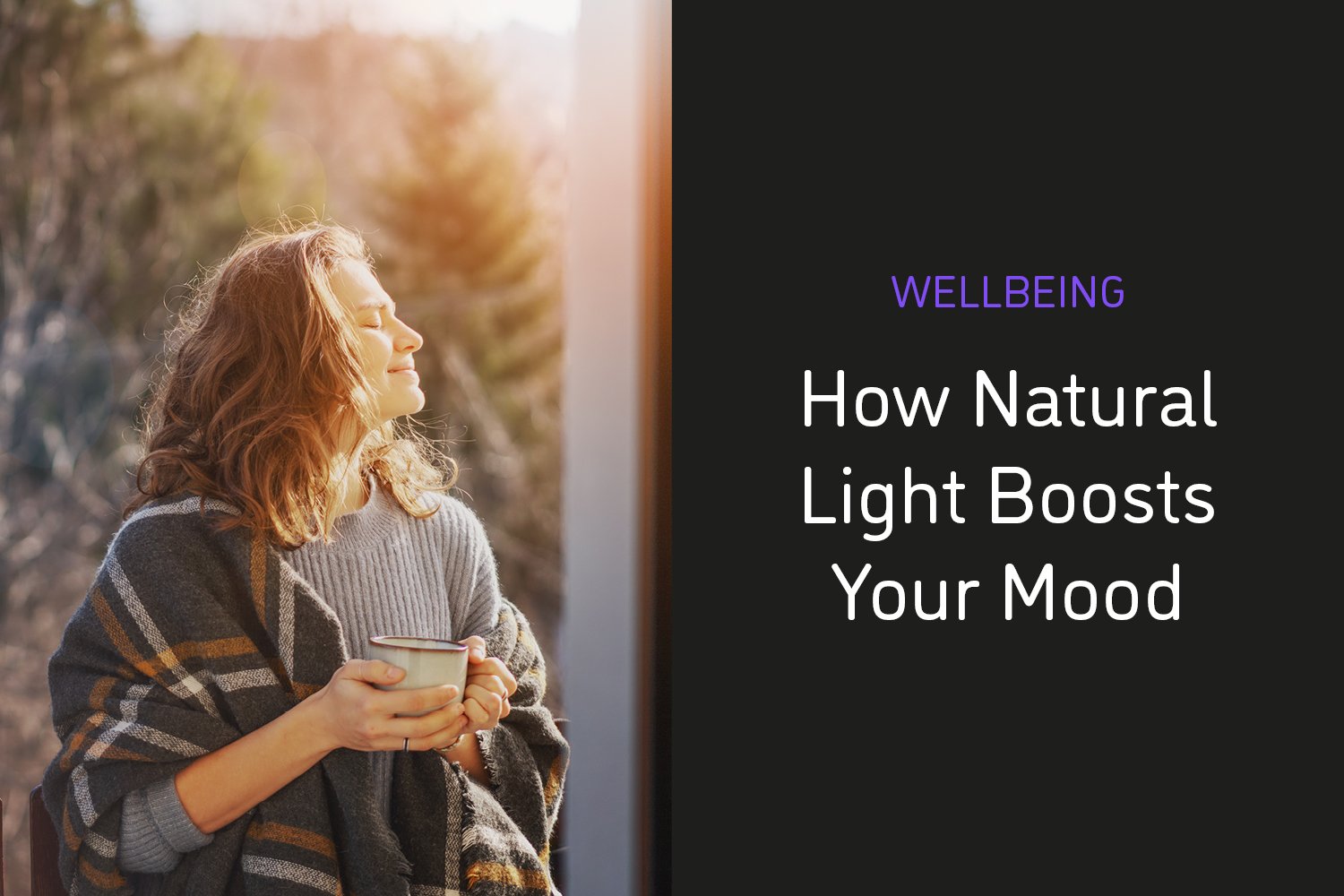
In modern life, many of us spend large parts of the day indoors under artificial lighting. While this may be convenient, a lack of natural light can affect our health, energy, and overall well-being.
Our bodies have evolved to respond to the rhythm of the sun, and spending most of our time away from daylight can leave us feeling off balance.
Artificial light has made it easier to work and live beyond daylight hours. However, it doesn’t provide the same benefits as natural sunlight.
Many types of artificial lighting, particularly older fluorescent bulbs and some LEDs, do not offer the full light spectrum found in natural daylight.
Also, bright artificial light, especially in the evening, can confuse the body’s internal timekeeping system. It may be helpful for visibility but relying entirely on artificial light can disrupt the biological processes that depend on natural light cues.
Your body has an internal rhythm known as the circadian rhythm. This 24-hour cycle regulates many essential functions, including sleep patterns, hormone release, body temperature, and digestion.
Your circadian rhythm, in turn, is regulated by natural light. In particular, natural morning light tells your brain it’s time to be alert. It also helps reduce melatonin levels, a hormone that encourages sleepiness.
As daylight fades in the evening, melatonin production increases again, helping your body wind down. Keeping this rhythm steady depends on regular exposure to light at the right times of day.
If you spend most of your time indoors, your circadian rhythm may gradually fall out of sync. This can lead to problems such as poor sleep, low energy, and trouble concentrating.
One of the simplest ways to help reset this rhythm is to seek out bright natural light, especially in the morning.
This early exposure supports alertness and helps establish a clear signal to your body that the day has begun. In the evening, reducing bright light and screen use helps the body prepare for rest.
Consistency is also important. Regular exposure to natural light at roughly the same times each day is more effective than occasional bursts.
You don’t need to overhaul your routine to benefit from daylight. Small, practical habits can make a meaningful difference:
Making space in your day for natural light supports your body’s natural rhythms. It can help improve sleep, boost energy, and support a more stable mood throughout the day.
These simple adjustments can be a helpful step toward improving your overall well-being, especially if you spend most of your time indoors.
